

Compliance built into HCM systems
Manage how regulatory requirements, reporting and employee data obligations are handled across payroll, HR and workforce processes within a single, structured platform.


Maintain compliance without creating additional administrative work
Compliance is not a standalone task. It sits across payroll processing, employee records, reporting and workforce management – and often relies on disconnected systems, manual checks and local interpretation.
ADP’s HCM platform embeds compliance into everyday HR and payroll processes, helping organisations manage regulatory requirements more efficiently. Rather than switching between systems or manually checking records, teams can work from a single environment that supports consistent standards, reduces administrative effort and improves visibility across compliance activities.
How compliance is applied across ADP HCM
Compliance within ADP iHCM is embedded in how HR and payroll processes operate day to day – rather than managed as a separate activity.
- Payroll compliance
- Continuous calculations
- Employee lifecycle data
- Audit-ready reporting
- Multi-jurisdictional
- Structured workflows
- Connected systems

Payroll compliance and regulatory alignment
Payroll processing reflects current tax, statutory and reporting requirements across jurisdictions.
- Payroll calculations align with local legislation and statutory rules
- Payroll configuration and statutory requirements are maintained in line with current regulations
- Payroll data is validated as it is processed, helping identify anomalies and inconsistencies
- Submissions and reporting follow defined, standardised processes
Payroll runs reflect current regulatory requirements and highlight potential issues before finalisation – reducing errors, rework and non‑compliant submissions.

Continuous calculations and proactive validation
Payroll and compliance checks are applied throughout the payroll cycle rather than only at fixed processing points.
- Payroll calculations update continuously as data changes
- Real-time validation flags inconsistencies and unusual variances
- Inputs from HR, time and attendance flow directly into payroll processing
- Issues can be identified and resolved earlier in the process
Compliance checks happen as part of ongoing payroll activity – reducing last‑minute corrections and improving overall accuracy.

Employee lifecycle data and processes
Employee data and HR processes are managed in line with regulatory and organisational requirements.
- Onboarding, contracts and employee records follow structured workflows
- Required documentation is captured and stored consistently
- Policy and compliance requirements are applied across employee changes
- Process steps are standardised across teams and locations
Employee records and lifecycle events are handled consistently – reducing variation between teams and limiting gaps in documentation or process.

Audit-ready reporting and documentation
Compliance activity is recorded and accessible across payroll and HR processes.
- Payroll, employee data and process changes are systematically recorded
- Compliance documentation is stored within a central system
- Reporting supports internal audits and regulatory requirements
- Records can be accessed without manual reconstruction across systems
Audit and compliance reporting is structured and accessible – reducing the effort and risk involved in preparing for audits or responding to enquiries.

Multi-jurisdictional compliance management
Compliance requirements are applied across multiple regions within a single platform.
- Local employment and payroll regulations are reflected across countries
- Processes remain consistent while accommodating regional differences
- Data and reporting structures are aligned across entities
- Compliance can be managed across regions without separate systems
Organisations can manage compliance across multiple jurisdictions with consistent processes – reducing fragmentation and duplication as they grow.

Structured workflows and approvals
Compliance is built into how tasks are completed by HR teams, payroll and managers.
- Role-based workflows guide approvals and task completion
- Processes are standardised across functions and locations
- System-driven steps reduce reliance on manual checks
- Tasks are completed within defined structures and controls
Teams follow consistent, compliant processes as part of day-to-day work – reducing manual effort and lowering the risk of missed requirements.

Connected systems and controlled data flows
Compliance extends across integrated systems and external data sources.
- Data flows between HR, payroll, time and third-party systems are structured and controlled
- Integrations reduce the need for manual data transfer and duplication
- Workforce data remains aligned across connected systems
Compliance processes extend beyond a single system – reducing risk at integration points and improving consistency across the wider HCM environment.

Part of a compliant, connected HCM platform
All compliance processes operate within ADP’s HCM platform, rather than being managed separately across HR, payroll and other systems.
This allows organisations to:
- Maintain consistent compliance processes across HR, payroll and workforce management
- Reduce reliance on manual checks and fragmented systems
- Apply policies consistently across regions and teams
- Retain visibility over compliance activity and reporting
Compliance is not treated as a standalone process – it is embedded in how HR and payroll systems operate.
GUIDEBOOK
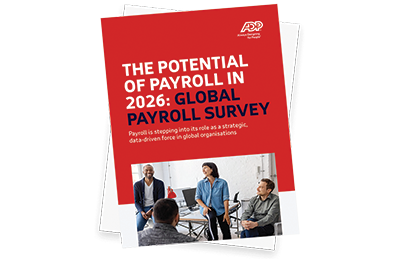
75% of payroll leaders say keeping up with regulations is a major challenge, and 68% incur penalties each year.
Managing compliance across fragmented systems increases risk and effort. A more structured, system-led approach helps standardise processes, reduce manual intervention and maintain alignment with changing regulations.
FAQs
What does compliance mean within ADP’s HCM platform?
Compliance refers to how payroll, HR and workforce processes align with regulatory requirements, including tax, employment law and reporting obligations. Within ADP HCM, compliance is built into how these processes are carried out, rather than managed separately.
How does ADP keep the platform up to date with regulatory changes?
ADP monitors regulatory developments across multiple jurisdictions and updates the platform accordingly. This ensures that HR and payroll processes reflect current requirements and reduces the risk of non-compliance caused by outdated processes.
How does iHCM support audit readiness?
ADP iHCM maintains integrated reporting and documentation across HR and payroll processes. Compliance activity is traceable, and records are available when needed, supporting both internal and regulatory audits.
Is iHCM suitable for organisations operating in multiple regions?
Yes. ADP iHCM supports organisations managing compliance across multiple countries, with processes aligned to local requirements and scalable to support growth.
See how compliance works across ADP’s HCM platform
By submitting this form you are informed that ADP may contact you about its products, services, and offers, according to our Privacy statement for Business contacts.
Let's find the perfect solution for your business
Fill out the form and see what the ADP team of payroll and HR experts can do for you.